


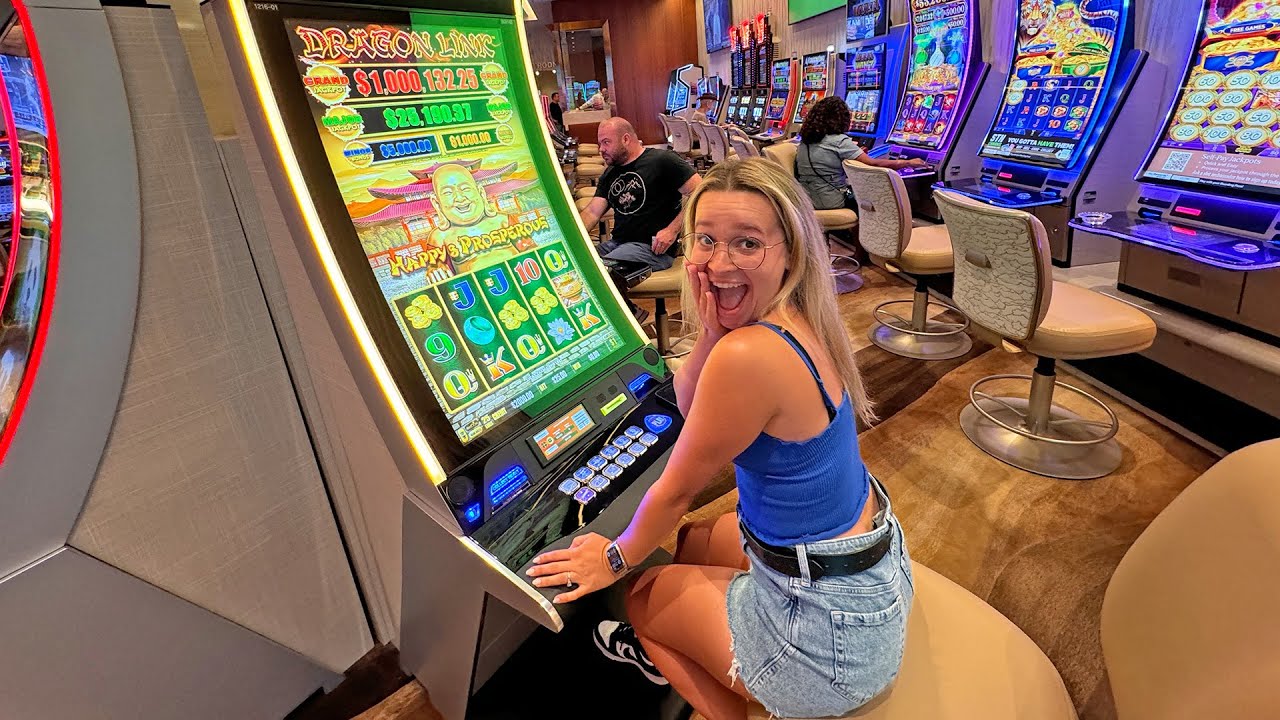
Walk into any modern casino, from the massive resorts on the Las Vegas Strip to your local regional card room, and you will immediately notice a stark layout choice. The vast majority of the gaming floor is dominated by towering, brightly lit cabinets boasting massive curved screens, branded pop-culture themes, and booming surround sound systems. These are the penny slots, and they represent the undisputed financial engine of the global gaming industry.
For decades, casual gamblers have flocked to these machines under a very specific, comforting assumption: playing for pennies is the safest way to gamble. It feels financially responsible to avoid the intimidating fifty-dollar blackjack tables or the high-limit baccarat rooms in favor of a machine that seemingly asks for loose change. However, beneath the flashing lights and licensed movie clips lies a brilliant, highly calibrated mathematical trap.
If you sit down to play a modern penny slot, you are not protecting your bankroll. In reality, you are participating in the most expensive, mathematically punishing game the casino has to offer. Understanding exactly how these machines drain your wallet faster than almost any other wager on the floor requires a deep dive into betting structures, the velocity of play, and the subtle psychological tricks coded into the software.
The Myth of the One-Cent Wager
The very name “penny slot” is a brilliant piece of deceptive marketing. It implies that your risk is limited to a single cent per spin. Thirty years ago, when mechanical three-reel slot machines were the standard, you could actually put a single penny into a machine, pull the lever, and play a single line across the middle of the glass.
Modern video slots have completely eradicated that style of play. Today, the penny designation refers only to the base denomination of a single credit, not the actual cost of a spin.
Casino game developers design these machines with forced betting structures. You are no longer betting on a single line; you are required to bet on complex matrices of fifty, sixty, or even a hundred different paylines zigzagging across the digital reels. Furthermore, to unlock the massive progressive jackpots or the highly sought-after bonus rounds that the machine advertises, you are usually forced to multiply your bet per line.
A player sitting at a standard penny machine might be forced to play sixty lines at five credits per line. That single spin, which feels like a low-stakes gamble, actually costs three dollars. It is entirely common for modern penny slots to feature “max bet” buttons that wager five to eight dollars per spin. You are playing a high-stakes game wrapped in low-stakes branding.
The Punishing Mathematics of the House Edge
Every game in a casino has a built-in mathematical advantage known as the house edge, which dictates what percentage of all wagered money the casino expects to keep over the long run. The inverse of the house edge is the Return to Player (RTP), which is the percentage of wagered money the machine is programmed to pay back to the players over millions of spins.
This is where the financial reality of penny slots becomes brutal. Casinos universally assign their absolute worst odds to their lowest denomination machines.
A hundred-dollar slot machine in the high-limit room might be programmed with an RTP of 96 or 97 percent, meaning the house keeps just three to four percent of the money cycled through it. Traditional table games offer even better odds; a player using basic strategy at a blackjack table faces a house edge of less than one percent.
Penny slots, by contrast, frequently feature an RTP between 85 and 89 percent. The casino is legally siphoning off 11 to 15 cents of every single dollar pushed through the machine. While a few percentage points might not sound like a massive difference, that gap compounds rapidly when combined with the sheer speed at which slot machines operate.
The Devastating Velocity of the Game
The true cost of any casino game is calculated by multiplying your average bet size, the house edge, and the speed of play. This equation reveals exactly why table game players survive much longer than slot players.
If you sit at a fifteen-dollar blackjack table with a full table of players, the dealer will deal approximately sixty hands per hour. You are risking $900 per hour. With a one percent house edge, your expected mathematical loss is just nine dollars an hour. You are essentially paying nine dollars an hour for the entertainment of sitting at the table, receiving complimentary drinks, and enjoying the social atmosphere.
A modern penny slot operates at a relentless, blinding speed. There are no dealers to shuffle cards, no chips to count out, and no waiting for the player next to you to make a decision. A focused player simply tapping the spin button can easily execute six hundred spins per hour.
If you are playing a penny slot at three dollars a spin, you are putting $1,800 per hour into action. If that machine has a standard 12 percent house edge, your expected mathematical loss is a staggering $216 per hour. Despite the perceived safety of the penny denomination, you are bleeding money twenty-four times faster than the blackjack player betting fifteen dollars a hand.
Psychological Warfare: Losses Disguised as Wins
The financial drain of a penny slot is heavily masked by brilliant psychological engineering. Game designers utilize a concept known as the loss disguised as a win, which preys on the human brain’s natural response to positive reinforcement.
Because modern slots force you to play dozens of lines at once, it is very common to hit a small winning combination on almost every spin. You might wager three dollars and hit a cherry combination that pays out one dollar.
Mathematically, you just lost two dollars. However, the machine does not treat this as a loss. The screen erupts in bright animations, golden coins shower across the display, and a celebratory melody plays through the speakers. The machine throws a party for your one-dollar return. Your brain absorbs the lights and sounds, releasing a hit of dopamine and registering the event as a victory.
This relentless sensory feedback creates a hypnotic state known in the industry as continuous gaming productivity. You feel like you are constantly winning, which compels you to keep hitting the spin button, entirely unaware that your bankroll is steadily marching toward zero.
The Near-Miss Effect
Beyond the disguised losses, penny slots are heavily programmed to deliver near misses. If the machine features a highly anticipated bonus round triggered by landing three specific symbols, the software will frequently tease you by dropping two of those symbols into the first two reels, followed by a dramatic pause, heightened music, and a slow spin on the final reel.
When the third symbol inevitably lands just one space above the payline, it feels incredibly agonizing. You feel as though you almost won, which convinces you that the machine is “due” to hit and that you must spin again before someone else takes your jackpot.
Statistically, a near miss on a slot machine is exactly the same as a complete miss. The outcome of every spin is determined by a random number generator the precise microsecond you press the button. The dramatic pause and the symbol landing just out of reach are visual illusions rendered after the fact, designed specifically to manipulate your emotions and keep you seated.
Redefining Casino Value
Casinos are not public utilities; they are massive entertainment corporations designed to separate you from your disposable income. There is absolutely nothing wrong with playing penny slots if you enjoy the pop-culture themes, the incredible graphics, and the pure, mindless relaxation they provide.
However, you must approach them with a clear understanding of the math. You cannot treat penny slots as a safe harbor for a small bankroll. They are a premium luxury experience, and you are paying a massive premium for the flashing lights and the thrill of the digital bonus round.
If your goal is to stretch your casino budget, drink for free, and actually put the odds in a position where you might walk out a winner, the penny slots are the last place you should be. You are far better off learning basic strategy and sitting at a traditional table game, or even playing higher denomination slots where the house edge is significantly lower. The flashing lights of the penny slot might promise cheap thrills, but the relentless mathematics behind the screen guarantee it is the most expensive ride in the building.